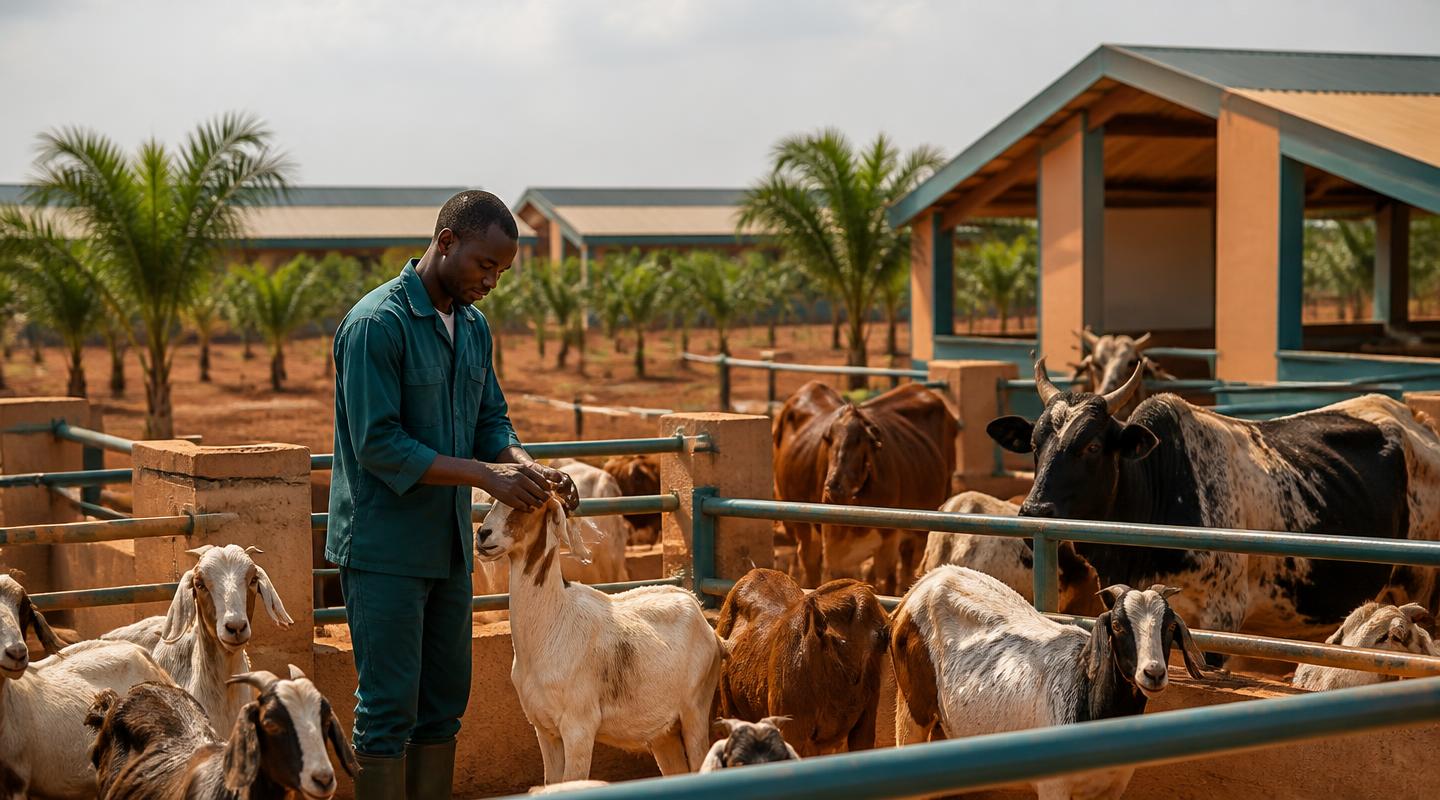
A FarmChain Common Facility Centre with livestock pens and oil palm trees under professional care
Assets

Own Productive Assets.

FarmChain connects members to professionally managed livestock and economic tree programmes. Build a contribution plan, build a record, and work toward ownership of designated biological assets.

FarmChain does not promise returns. Asset ownership depends on the applicable programme, eligibility assessment and available capacity.

Livestock

Professionally managed animal assets.

Livestock programmes are operated at FarmChain Common Facility Centres. Members do not need their own land or facilities.

Goats

What it is
Small ruminants raised for meat, breeding stock and herd building under structured programmes.
How it is managed
Controlled feeding, vaccination schedules, parasite control and growth monitoring.
Where it is managed
FarmChain Common Facility Centre feedlots with veterinary oversight.
Ownership record
Eligible animals are individually identified and matched to a member's ownership record.
Potential economic activity
Breeding, fattening and sale to approved buyers when market conditions are suitable.
Risks
Animal mortality, disease outbreaks, feed cost changes and market price movements.
Cattle

What it is
Beef cattle raised in managed feedlots for structured fattening and herd development.
How it is managed
Ration planning, veterinary checks, weight tracking and facility hygiene.
Where it is managed
FarmChain Common Facility Centre feedlots with professional handlers.
Ownership record
Each animal is tagged and recorded against the applicable ownership arrangement.
Potential economic activity
Sale of mature animals through approved market channels where a programme applies.
Risks
Mortality, disease, extended fattening periods, feed price volatility and buyer availability.

Dairy

What it is
Dairy cows managed for milk production within a professionally run herd.
How it is managed
Milking routines, herd health, reproduction planning and milk quality control.
Where it is managed
FarmChain dairy facilities equipped for milking, cooling and storage.
Ownership record
Ownership may be recorded by animal or by production share, depending on the programme.
Potential economic activity
Sale of milk and dairy products through approved offtake arrangements.
Risks
Mastitis, low yields, feed costs, milk price fluctuations and lactation-cycle timing.

Breeding Livestock

What it is
A breeding programme focused on producing offspring to expand or improve the herd.
How it is managed
Mate selection, gestation tracking, birthing support and young-stock rearing.
Where it is managed
FarmChain breeding and nursery facilities with veterinary support.
Ownership record
Breeding animals and their offspring are recorded according to the applicable structure.
Potential economic activity
Herd growth and possible sale or transfer of offspring under programme rules.
Risks
Breeding failure, neonatal mortality, genetic risk and longer time horizons.

No guaranteed financial outcome

Livestock are biological assets. Their value can change due to health, market, operational and environmental factors. FarmChain does not promise profit, returns or any specific sale price.

Economic Trees

Long-term productive tree assets.

Economic tree programmes are designed for members who want exposure to tree crops without owning land directly.

Oil Palm

What it is
Oil palm trees planted and managed as a long-term productive asset within a designated plantation programme.
How it is managed
Land preparation, planting, fertilising, pest control and harvest scheduling.
Where it is managed
FarmChain managed plantations with collective infrastructure.
Ownership record
Individual trees or tree blocks may be designated to members where the programme allows.
Potential economic activity
Harvest of fresh fruit bunches for sale through approved mill or offtake channels.
Risks
Long maturity period, weather, disease, palm oil price cycles and operational disruption.

Other Eligible Economic Trees

What it is
Other tree crops approved by the cooperative from time to time, such as selected fruit or timber species.
How it is managed
Programme-specific agronomy, maintenance and harvest protocols.
Where it is managed
FarmChain tree plantations or approved partner facilities.
Ownership record
Ownership is recorded according to the applicable programme structure.
Potential economic activity
Harvest and sale of produce when the trees reach maturity and market conditions permit.
Risks
Long gestation, climate risk, pest pressure, market access and commodity price changes.

From planting to market

Economic trees follow a long cycle. The steps below show how a tree programme may progress. Actual timing and outcomes depend on the species, location and programme.

  1. 1

    Planting

    Selected seedlings are planted under agreed land and facility arrangements.

  2. 2

    Growing

    Young trees are nurtured with irrigation, nutrition and pest management as needed.

  3. 3

    Maintenance

    Regular pruning, fertilising and health checks keep the plantation productive.

  4. 4

    Maturity

    Trees reach production age and begin yielding harvestable produce.

  5. 5

    Harvest

    Produce is harvested and aggregated for quality-controlled offtake.

  6. 6

    Market

    Sale is made through approved channels. Timing depends on market and programme conditions.

Collective structure: Land and facility infrastructure may be collectively arranged. Individual trees can be designated to individual owners according to the applicable ownership arrangement.

No promised harvest or return

Tree crops take years to mature. Yield, harvest timing and market prices are not guaranteed. Past performance of any similar crop is not a predictor of future results.

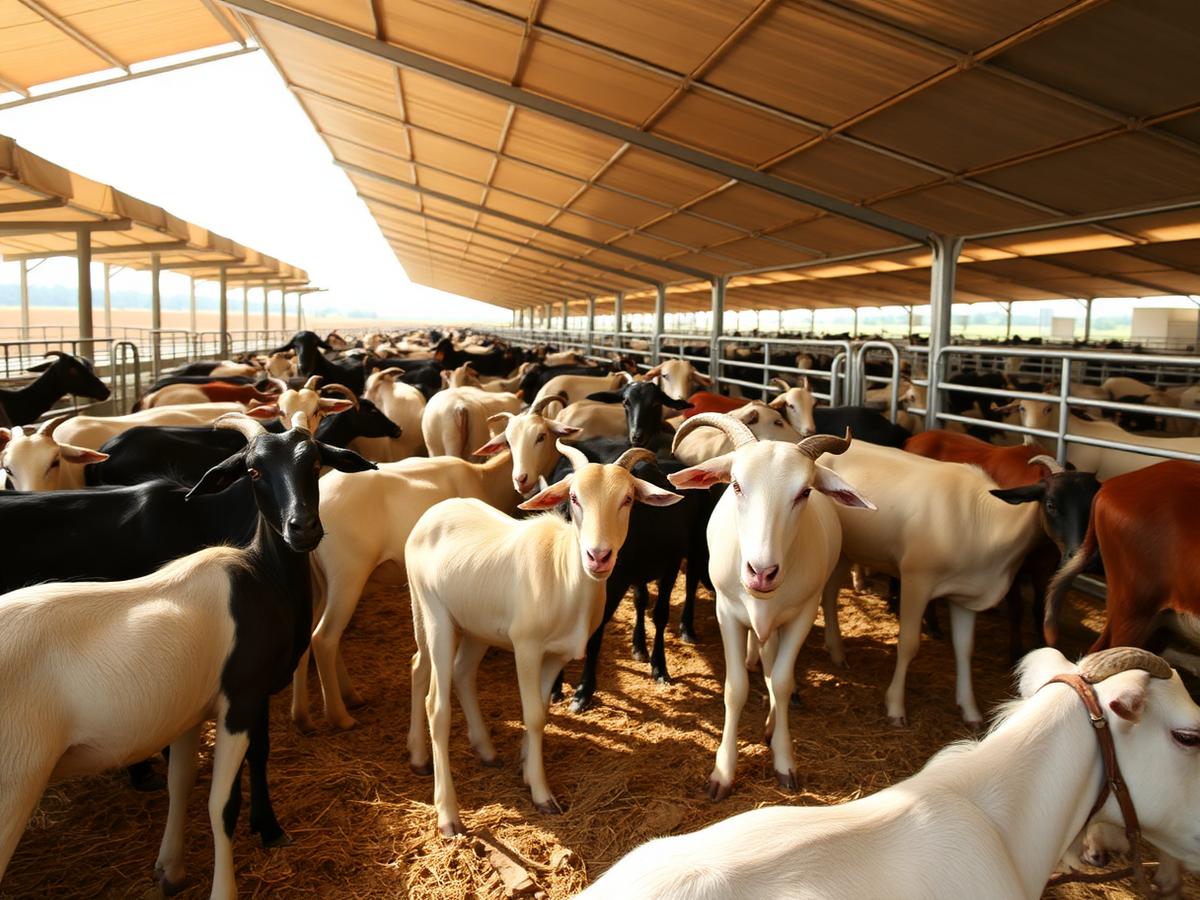
Livestock in a clean, professionally managed Common Facility Centre pen
Common Facility Centres

Why centralized infrastructure matters.

Most members do not own farmland, feedlots or veterinary networks. Common Facility Centres make professional asset management possible at scale.

Professional management

Experienced farm managers, veterinary partners and agronomists run day-to-day operations.

Economies of scale

Shared feed, inputs, equipment and infrastructure lower the cost barrier for individual members.

Veterinary support

Regular health checks, vaccination programmes and rapid response when animals fall ill.

Feeding & agronomy

Structured nutrition plans for livestock and crop-care protocols for trees.

Security & monitoring

Fenced facilities, surveillance and operational reporting to help protect member assets.

Market access

Offtake relationships and aggregation that connect produce to approved buyers.

Digital Ownership

A verifiable record for every eligible asset.

Where a programme supports it, each physical asset receives a unique digital identity that links it to its owner.

Physical asset

A specific animal or tree

Unique identity

Tag, label or identifier

Ownership record

Verifiable member link

The result is traceable ownership: a digital record that corresponds to a designated physical asset. This is used for verification and transparency — not for speculation or trading.

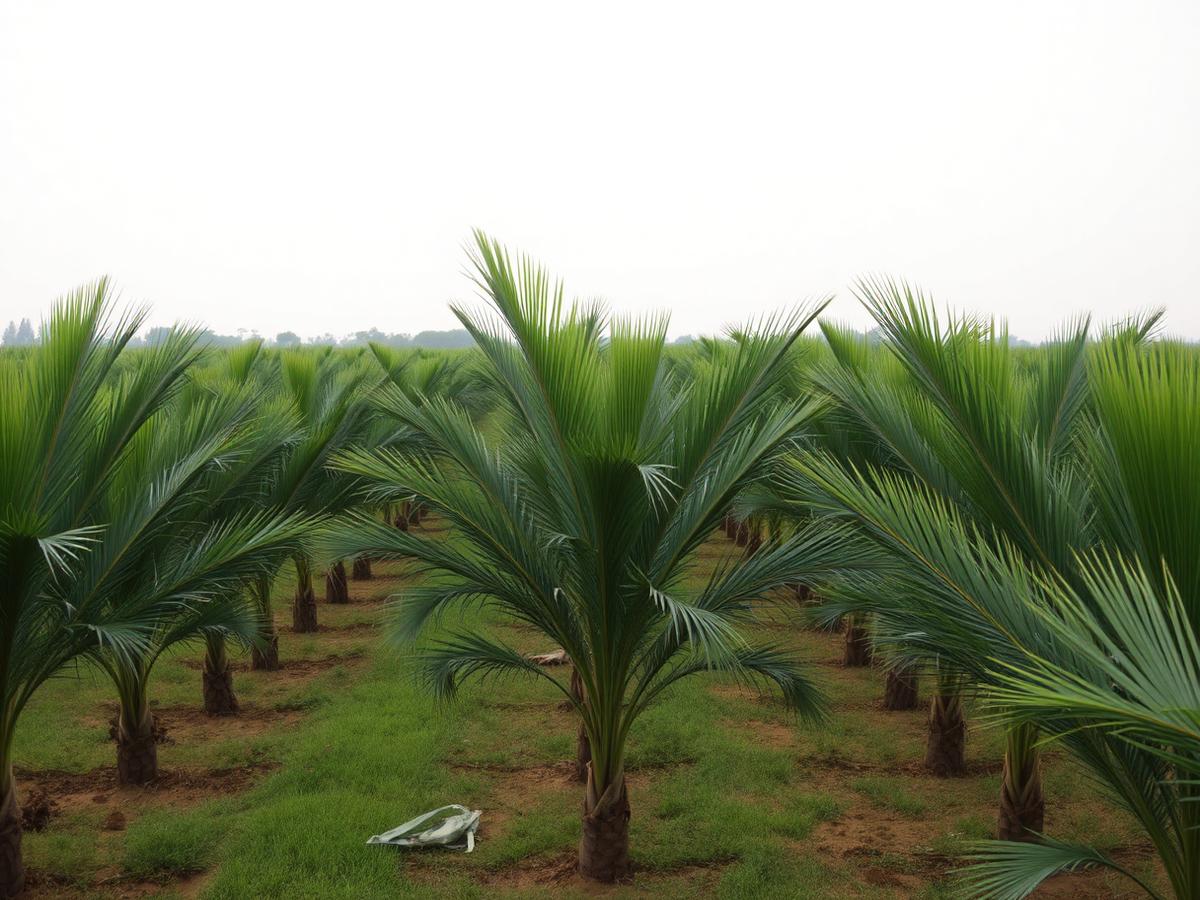
Rows of managed oil palm trees at a FarmChain plantation
Start your asset journey

Explore the model. Build your plan.

See how contributions become ownership records, and choose the asset preference that fits your long-term plan.

FarmChain does not collect contributions through this website. Contributions are made only through designated cooperative custodial banking arrangements.